The Role of a Child Development Center in Supporting Learning Disabilities
Learning disabilities affect many children, hindering their ability to learn in the traditional educational setting. As a result, parents and educators often seek specialized support to help children overcome these challenges. A Child Development Center (CDC) plays a crucial role in providing tailored care and therapeutic support for children with learning disabilities, ensuring that they receive the best chance for success in their academic and personal lives.
Understanding Learning Disabilities
Best Child Development Center for Learning Disabilities Support refer to a group of disorders that affect a child’s ability to process, understand, and respond to information. These disabilities can manifest in various forms, including:
- Dyslexia: Difficulty reading or interpreting written words.
- Dyscalculia: Challenges with mathematical concepts and calculations.
- Dysgraphia: Struggles with writing and fine motor skills.
- Auditory Processing Disorder: Difficulty understanding spoken words or instructions.
- Non-verbal Learning Disabilities: Difficulty with visual-spatial relationships, body language, and abstract thinking.
It is essential to recognize that children with learning disabilities often have average or above-average intelligence. The challenges they face are related to how their brains process information, rather than their cognitive abilities. With the right support, children with learning disabilities can thrive.
How a Child Development Center Supports Children with Learning Disabilities
1. Personalized Assessments and Diagnosis
At a Child Development Center, the first step is often a thorough assessment. Through specialized diagnostic tools and evaluations, the CDC team identifies the specific learning disabilities affecting the child. These assessments are crucial in creating an individualized education plan (IEP) that targets the child’s unique needs.
By understanding the child’s strengths and weaknesses, experts can tailor interventions and therapies to support the child’s learning journey.
2. Specialized Learning Programs
These programs utilize evidence-based strategies and innovative teaching methods that focus on the child’s specific learning needs.
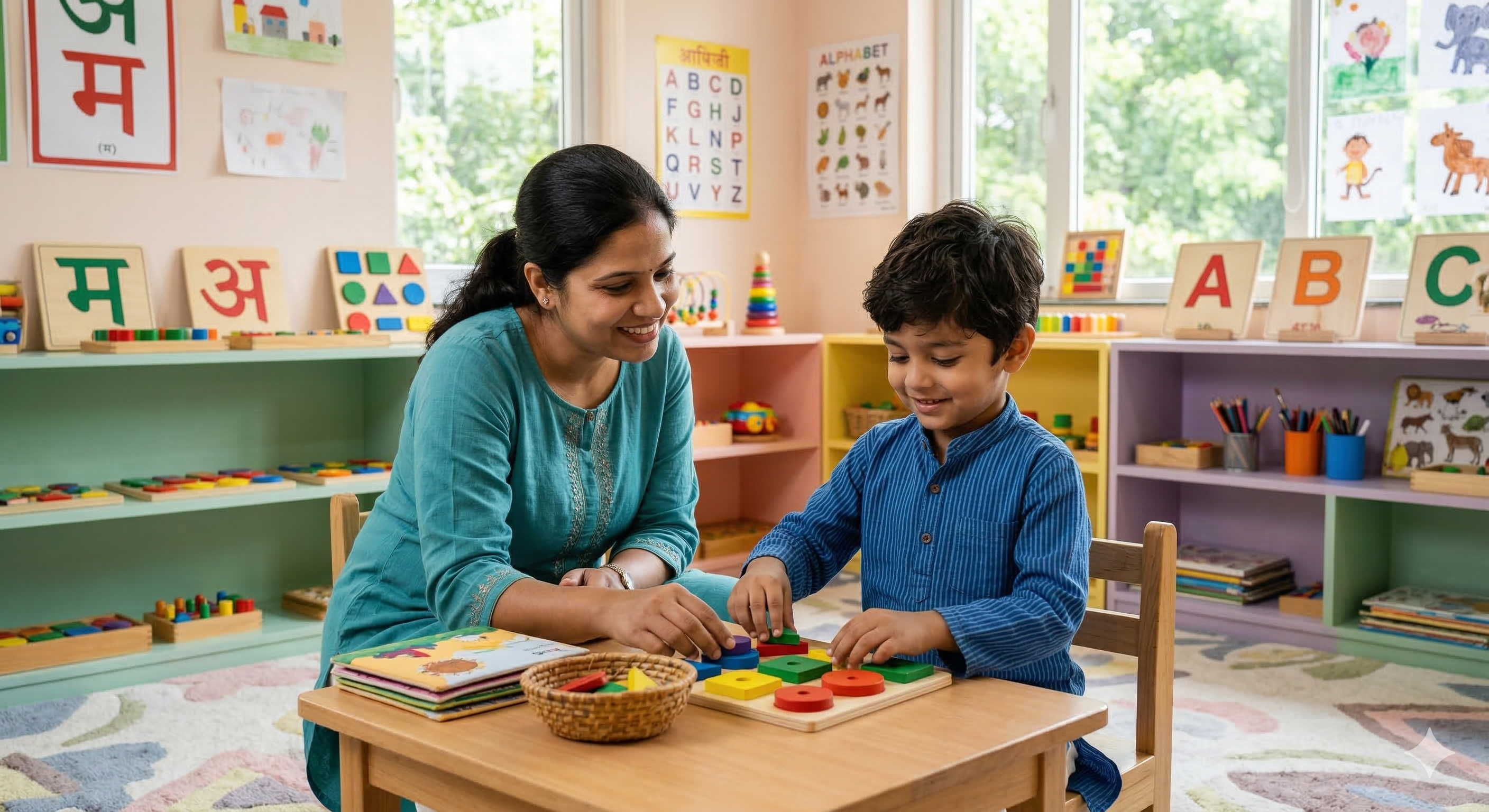
- One-on-One Tutoring: Children receive personalized attention, allowing for a pace and style of learning that works best for them.
- Visual and Auditory Aids: Utilizing visual aids, manipulatives, and auditory tools can help children better grasp complex concepts.
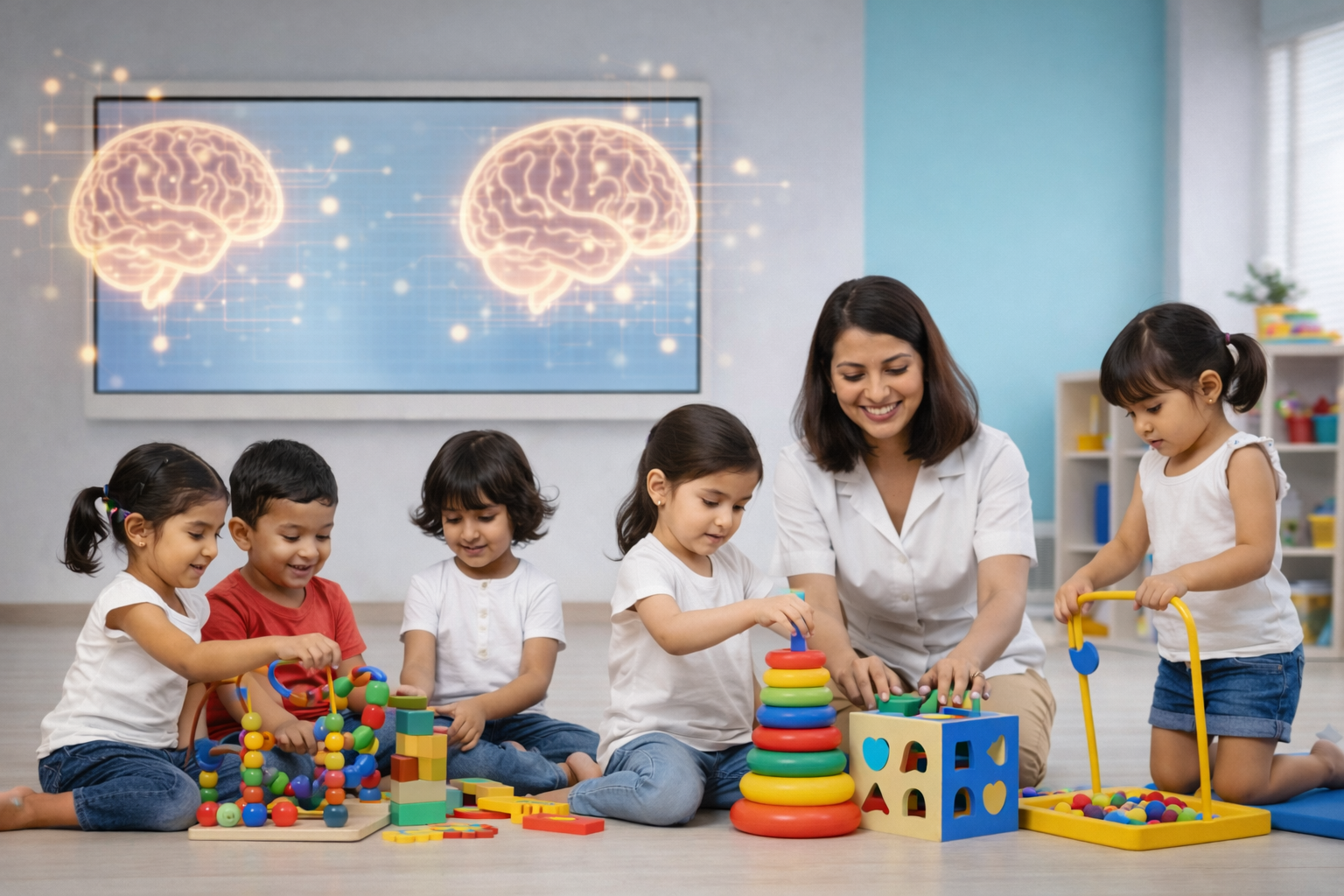
- Multisensory Approaches: CDCs often use multisensory techniques, such as combining sight, sound, and touch to reinforce learning and help children retain information more effectively.
3. Therapeutic Support
Learning disabilities often co-exist with other developmental challenges. Many CDCs provide additional therapies such as:
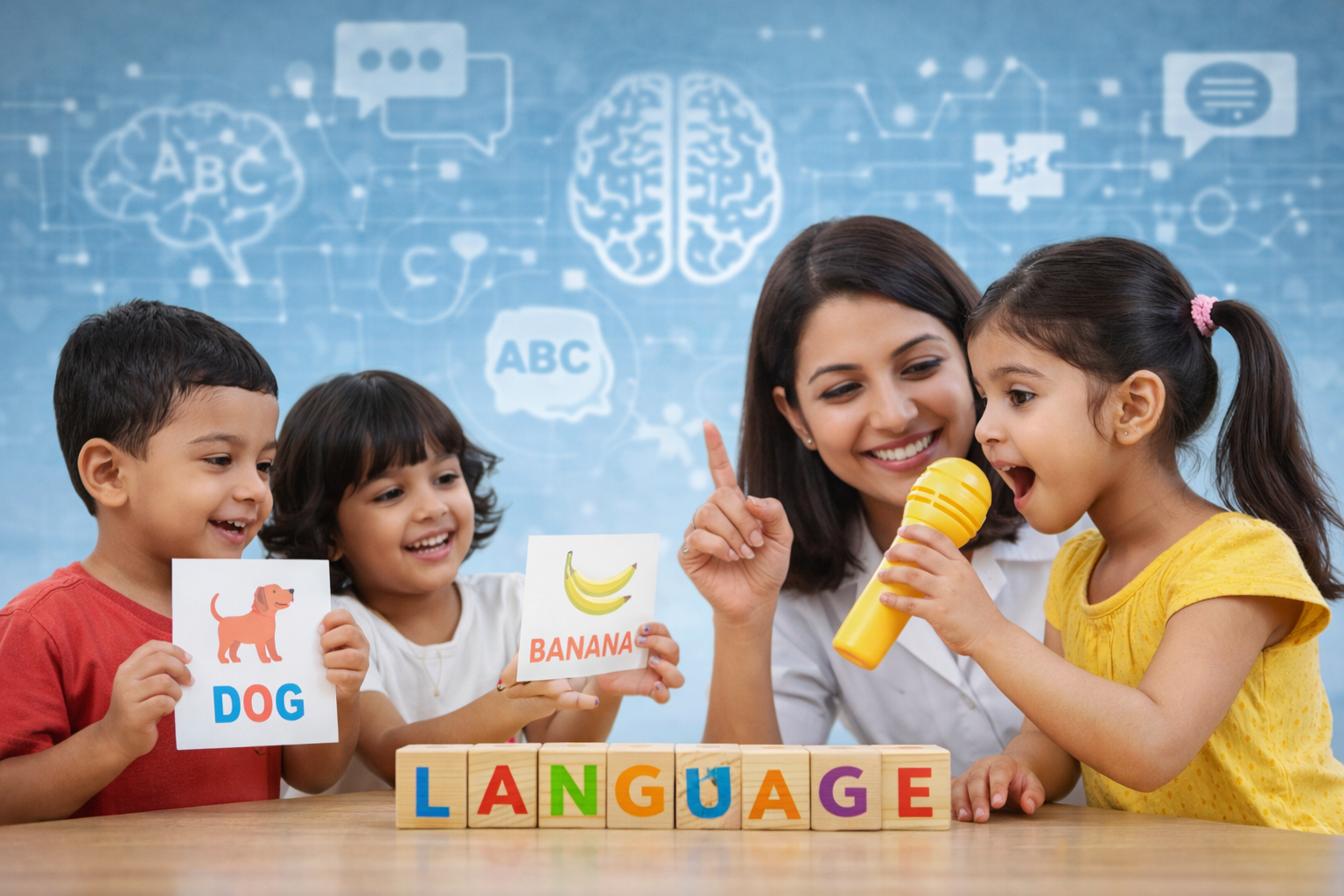
- Speech Therapy: Helps children with language, communication, and comprehension issues.
- Occupational Therapy: Improves fine motor skills, writing abilities, and daily life activities.
- Behavioral Therapy: Helps children develop social and emotional skills, providing strategies for managing stress, frustration, or anxiety related to their disabilities.
These therapeutic interventions focus on improving the child’s functional abilities, ensuring they can participate fully in both academic and social settings.
4. Parental Guidance and Training
Parents play a crucial role in a child’s development, and a CDC recognizes this by offering guidance and training to help parents support their child’s learning at home. CDCs often provide:
- Parent Workshops: Focused on equipping parents with strategies to reinforce learning and behavior management techniques.
- Home-Based Strategies: Practical advice and tips that parents can use to support their child’s academic progress and emotional well-being.
5. Collaborative Support with Schools
A Child Development Center does not work in isolation; it collaborates closely with schools, ensuring that the child’s needs are met both inside and outside of the CDC. This collaboration includes:
- Teacher Training: Educators are often trained in specific techniques that are proven to work with children who have learning disabilities.
- Inclusion Support: Many children with learning disabilities benefit from inclusive classroom settings, where they can interact with peers while receiving the necessary accommodations.
The goal is to create a seamless learning experience that spans both the CDC and school environments, providing consistent support.
Benefits of Child Development Centers for Children with Learning Disabilities
1. Improved Academic Performance
Children with learning disabilities can achieve great academic success when given the proper resources. With specialized programs, individualized attention, and therapeutic interventions, children often experience significant improvements in reading, writing, math, and overall academic performance.
2. Increased Self-Esteem and Confidence
At a CDC, children are provided with the support and encouragement they need to succeed. By mastering skills at their own pace, children build confidence and develop a positive attitude toward learning.
3. Social and Emotional Growth
Learning disabilities can impact a child’s social interactions, as they may feel frustrated or misunderstood. CDCs offer an environment that fosters emotional growth, teaching children how to manage their emotions and interact with others in a positive manner.
4. Long-Term Success
The skills and strategies children learn at a CDC are not just for the classroom. These tools help children navigate life successfully, whether it’s managing stress, building relationships, or problem-solving. By focusing on the child’s holistic development, CDCs ensure long-term success both academically and socially.
Conclusion
The role of a Child Development Center in supporting children with learning disabilities cannot be overstated. These centers offer a comprehensive, individualized approach that focuses on the unique needs of each child. From personalized assessments to specialized programs and therapeutic support, CDCs provide the tools and resources children need to succeed in all aspects of life. By partnering with parents, schools, and professionals, CDCs help children with learning disabilities reach their full potential and achieve lasting success.