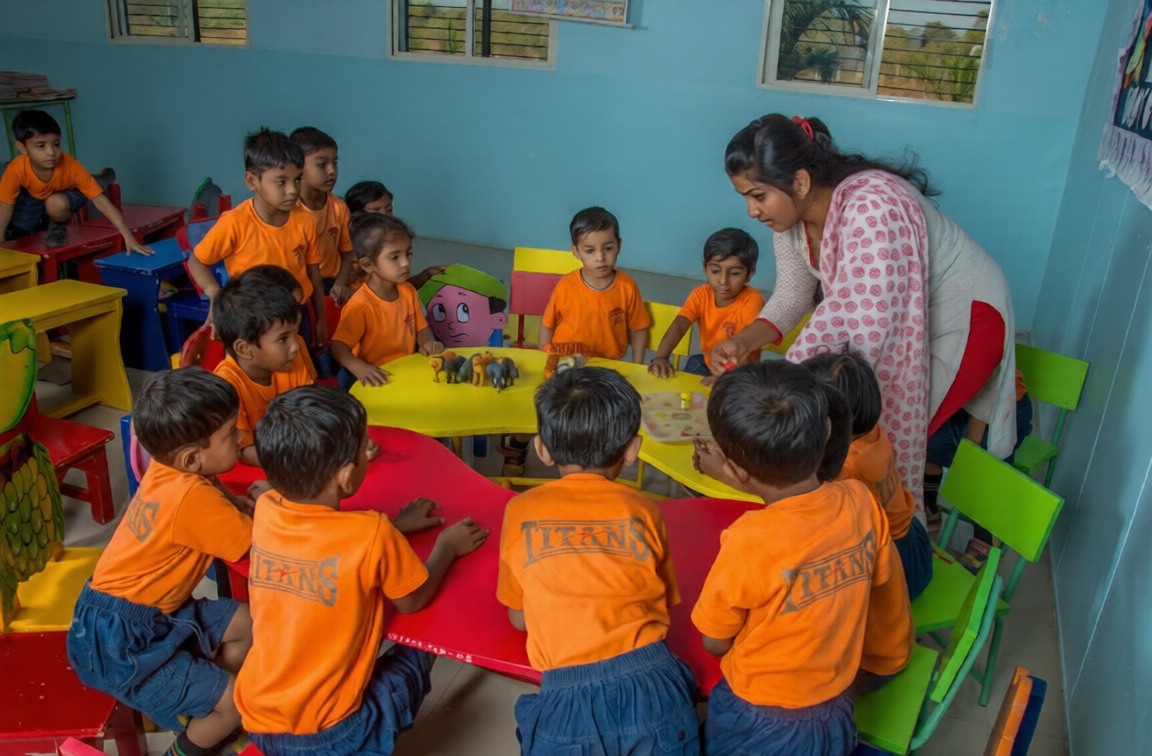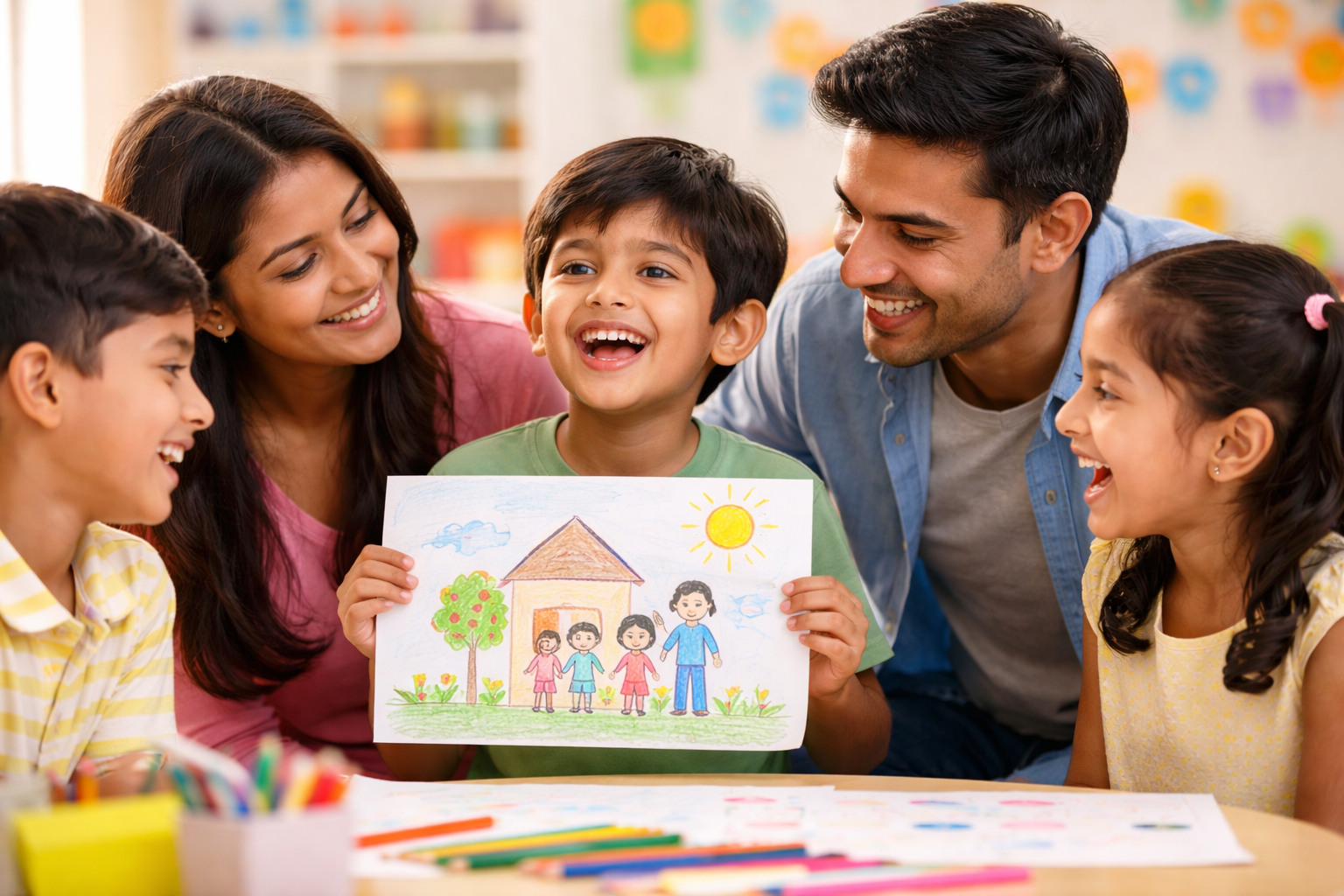
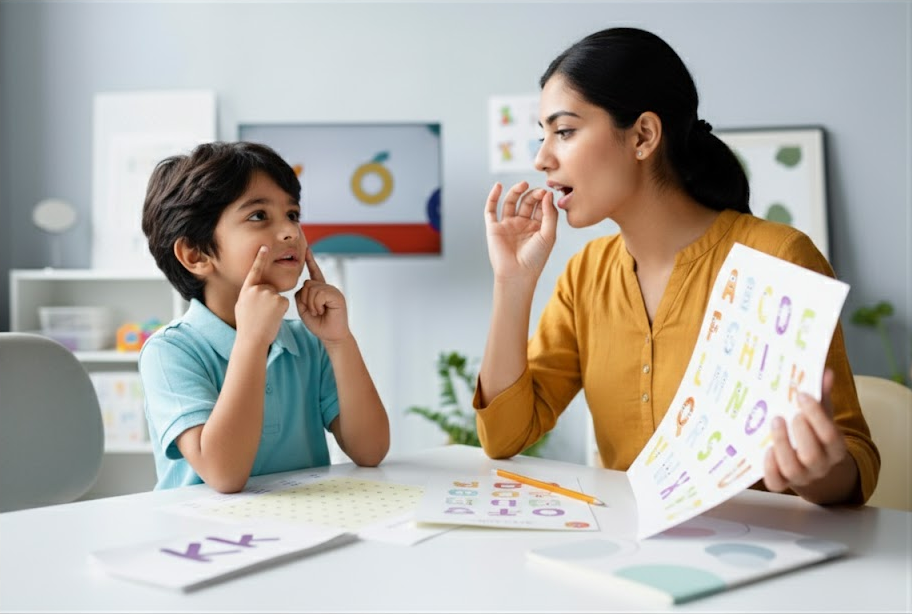
When it comes to nurturing the growth of a child, language development plays a pivotal role in their overall cognitive and social development. At Samvedan Child Development Center, we believe that understanding the various stages of language development and their significance can be instrumental in shaping a child’s future. In this blog, we’ll explore the meaning of language development, its importance, and the stages that every child goes through. By focusing on language development, we help create the foundation for better communication, academic performance, and emotional well-being.
What is Language Development?
Language development refers to the process by which children learn to communicate through speaking, understanding, and using language. It encompasses a child’s ability to understand words, form sentences, and engage in meaningful conversations with others. This ability starts at birth and continues to evolve over several years, contributing to a child’s social, emotional, and cognitive skills.
From recognizing sounds and responding to their name, to speaking full sentences and using complex grammar, language development is one of the most significant milestones in a child’s early years. By the time children reach school age, they are expected to use language to express their thoughts, ask questions, and understand written texts, making language development a critical foundation for academic success.
Why is Language Development Important?
Language is much more than just a medium for communication; it plays an essential role in a child’s overall development. Here are some reasons why language development is so important:
- Cognitive Growth
Language development facilitates cognitive development by helping children think critically, solve problems, and engage in abstract thinking. The ability to describe concepts, make connections, and express ideas depends on language skills. - Social Interaction
Effective communication is essential for building relationships with peers, teachers, and family members. Children who develop language skills early are better equipped to express their emotions, needs, and desires, leading to improved social interactions and less frustration. - Academic Success
Language development directly impacts a child’s ability to perform well academically. The skills learned during language development enable children to read, write, and follow instructions, all of which are essential for school achievement. - Emotional Expression
Children who can articulate their emotions and feelings tend to develop better emotional regulation. Language helps children to convey their happiness, frustration, or sadness, which plays a crucial role in emotional maturity.
Stages of Language Development
Language development progresses in several stages, each of which builds upon the previous one. Here’s a breakdown of the typical stages:
- Pre-linguistic Stage (0-12 Months)
This stage marks the beginning of communication. During this phase, babies start by using sounds, cooing, and babbling to express themselves. By the end of the first year, babies begin to understand simple words and associate them with objects or actions. At this stage, babies will also start to imitate sounds they hear around them.
- Holophrastic Stage (12-18 Months)
Around 12 months, children begin to say their first words. These words often stand for entire phrases or sentences. For example, a child might say “milk” to mean “I want some milk.” This is known as the holophrastic stage, where single words convey a complete thought or meaning.
- Two-word Stage (18-24 Months)
Between 18 and 24 months, toddlers start to combine two words to form simple sentences, such as “want cookie” or “big truck.” These early two-word combinations lay the foundation for more complex sentence structures.
- Early Multi-word Stage (2-3 Years)
By age two, children begin using three to four words in a sentence. For example, “I want more juice” or “Mommy help me.” At this stage, they begin to grasp the rules of grammar, such as subject-verb-object order.
- Complex Sentences and Grammar (3-7 Years)
As children enter preschool, they start using more complex sentences and grammatical structures. By age four or five, most children use past tense and future tense and are starting to form questions like “What are you doing?” or “Where are we going?” The vocabulary expands significantly during this stage, and children learn the rules of pluralization, pronouns, and prepositions.
- Refinement and Maturity (7+ Years)
As children move into their school years, their language skills become more refined. They begin to use language more precisely, with an expanded vocabulary and a deeper understanding of sentence structures and grammar. At this stage, children can engage in more advanced conversation, tell stories, and express complex thoughts.
Supporting Language Development: Tips for Parents
As parents and caregivers, there are numerous ways to support and encourage language development in children. Here are some practical tips to nurture language growth:
- Talk to Your Child
Engage your child in regular conversation. Talk about what you’re doing, what they see, and what you’re experiencing together. This constant exposure to language helps them expand their vocabulary and learn new words. - Read Together
Reading is one of the most effective ways to encourage language development. Choose books with colorful images and simple text. Reading aloud to your child helps them recognize words, develop listening skills, and boosts their comprehension abilities. - Encourage Play
Interactive play allows children to practice language skills. Pretend play, such as playing house or store, gives children the opportunity to use new words and practice conversation in a fun, engaging way. - Listen Actively
Children need to feel heard in order to express themselves. When they speak, listen attentively and ask questions that encourage them to expand on their thoughts. - Be Patient
Every child develops at their own pace. It’s important to be patient and provide a nurturing environment that encourages verbal communication without pressure.
Why Choose Samvedan Child Development Center for Language Development?
At Samvedan Child Development Center, we specialize in supporting children’s language development through a structured, personalized approach. Our team of child development experts works with children at various stages of language development, ensuring that each child gets the appropriate care, resources, and strategies to enhance their communication skills.
We are committed to being the Best Child Development Center in Ahmedabad and Vadodara, offering services like speech therapy, developmental assessments, and individualized therapy plans that address language delays, speech difficulties, and other related concerns. Our center provides a nurturing and encouraging environment where every child’s potential is recognized and fostered.
If you’re concerned about your child’s language development or need professional guidance, Samvedan Child Development Center is here to help. Our team of skilled professionals will work with you to create a plan tailored to your child’s specific needs, ensuring they reach their full potential in communication.
Conclusion
Language development is an essential aspect of a child’s growth and well-being. From the first sounds and words to complex sentences, the process of learning language shapes a child’s ability to interact with the world around them. By understanding the stages of language development and taking steps to support it, parents and caregivers can ensure their children are on the path to success.