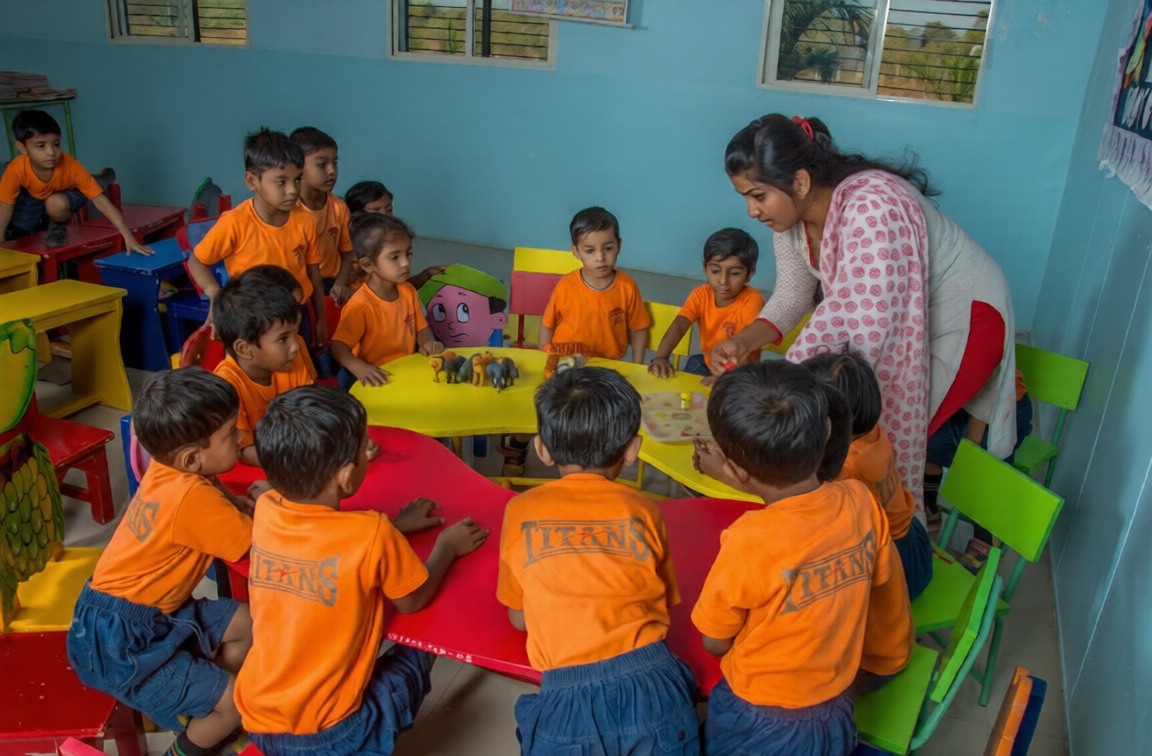

You’re at the playground, watching your three-year-old. She’s off to the side, building with sand while other kids run around playing tag. You wonder is she just shy? Or is something else going on? Maybe your son is in kindergarten now, but the teacher keeps mentioning he can’t sit still. He’s always been energetic, right? But now you’re starting to worry it’s more than that.
These moments catch parents off guard. You know your child better than anyone, and when something feels different, it’s hard to ignore. Finding the best pediatric neurologist in Ahmedabad or nearby areas becomes the first step in getting answers. But here’s what most parents struggle with: you’re not sure if you’re overreacting or if your concerns are legitimate.
The good news? Trusting your gut almost never hurts. Professional assessment can either put your mind at ease or help you understand what’s actually happening with your child’s development.
What Actually Is a Pediatric Neurologist?
Think of a pediatric neurologist as a specialist detective of the brain and nervous system. They’ve trained specifically to understand how children’s brains work, how they develop, and what happens when something isn’t quite right.
Here’s the thing your regular pediatrician is great for vaccinations, colds, and general health. But when it comes to understanding why your child isn’t talking much, or why they have meltdowns that seem out of proportion, or why learning seems harder for them than their siblings, a neurologist or developmental specialist brings deeper expertise.
They see kids with all kinds of differences. Some children are on the autism spectrum. Others have ADHD. Some have speech and language delays. Some struggle with sensory stuff bright lights bother them, certain textures make them gag, loud noises make them cover their ears. And here’s something many parents don’t realize: many of these conditions overlap. Your child might have sensory sensitivities and speech delay. Or ADHD and learning differences. A good pediatric neurologist understands these connections.
When Your Gut Tells You Something’s Different
Most parents know when something’s off. Maybe you can’t quite put your finger on it, but you notice things. Your kid isn’t hitting milestones the way siblings did. Or they hit them late. Or they seem to be going backward they were saying words, now they’ve stopped.
Here’s my honest take: there’s no perfect age to worry. But there are definitely things worth paying attention to at different stages.
If your baby isn’t making much eye contact by one year, or doesn’t react when you say their name, or seems really disconnected from what’s happening around them that’s worth mentioning to someone. Not in a panicky way, just mention it.
By two years old, most kids are putting words together, pointing at things, showing interest in other kids. If your child is mostly silent, or if they speak but don’t seem interested in playing with other children, that’s something to explore.
Around three or four, kids should be telling little stories, following directions, playing with others, managing basic self-care like eating with a spoon. If your child is struggling significantly more than peers in these areas, that’s real.
And honestly? If you’re wondering whether to get an assessment, just do it. The worst that happens is you find out your child is fine. The best that happens is you catch something early when intervention actually makes a huge difference.
These Are the Signs That Actually Matter
Parents worry about so many things. Some of those worries are totally valid. Others are just normal kid stuff. Here’s what’s actually worth taking seriously.
- Speech taking longer to develop than expected. If your child isn’t using meaningful words by 18 months, or isn’t combining words by age two-and-a-half, have them checked. Sometimes it’s just a slow start. Sometimes there’s something specific a speech therapist can help with.
- Seems hard to understand or understand things. Some kids know exactly what you’re saying but can’t find the words. Others seem confused by what’s being said. Both patterns can benefit from assessment.
- Avoids eye contact or seems socially disconnected. Kids have different personalities. Some are naturally shy. But if your child seems genuinely uninterested in connecting with others, or rarely seeks your attention, that’s worth exploring.
- Really intense reactions to things. The sound of the vacuum cleaner sends them into a panic. They gag at certain textures. Bright lights bother them. Getting a haircut is traumatic. These sensory things are real and can be helped.
- Behavior that’s hard to manage. I’m not talking about typical toddler tantrums. I mean your five-year-old has meltdowns that last an hour and seem completely disproportionate to what triggered them. Or they can’t transition between activities without a huge fight. Or they have repetitive behaviors that seem compulsive.
- Learning struggles that seem to go beyond “not trying hard enough.” Your second grader is working really hard but still struggling with reading. Their fine motor skills seem behind. They understand concepts but can’t remember them. These patterns suggest learning differences that can be identified and supported.
Here’s Why Getting Checked Early Actually Matters
- I know it’s tempting to wait and see if things resolve on their own. Many kids do catch up. But here’s what years of research actually shows: the kids who get support early move faster than kids who wait.
- This isn’t because we’re doing something magical. It’s because young brains are still actively building connections. If you give them the right support at the right time, they learn differently. A three-year-old with a speech delay who gets therapy often catches up completely by kindergarten. That same child, starting therapy at age six, still catches up but it takes longer and requires more effort.
- It’s like catching a pothole in the road early. If you fill it right away, the road is fine. If you wait two years, you’ve got a crater that’s harder to fix.
- And here’s the thing parents don’t always think about: early support prevents the emotional stuff. When your child gets help early and starts catching up, their confidence builds. They don’t develop anxiety about speaking or learning. They don’t feel different from their peers. It’s preventive, not just corrective.
- Another real benefit parent involvement multiplies results. When you understand what’s happening with your child and learn strategies you can use every single day, things change faster. You’re not just taking your kid to therapy once a week. You’re practicing at dinner, during bath time, while playing. That’s where real progress happens.
What Actually Happens at a Child Development Centre
- Most parents are nervous about what to expect: They imagine testing, worksheets, clinical environments. Sometimes that’s part of it, but not always.
- Usually it starts with questions: A specialist sits with you and asks about your child’s history. When did they say their first words? Do they have trouble with certain foods? How do they handle changes? What are they really good at? This conversation matters because your observations are valuable.
- Then there’s observation and assessment: The specialist watches your child play, interact, respond to things. Not in a scary way often it just looks like play. They might ask your child to draw, follow directions, answer questions, build with blocks. Different activities show different skills.
If speech is a concern, a speech therapist assesses understanding and expression. If there’s sensory stuff, an occupational therapist observes how your child reacts to different textures, sounds, movements. Behavioral concerns might involve questionnaires and observation.
Moving Forward With Confidence
Getting an assessment doesn’t mean something is wrong with your child. It means you’re being a thoughtful parent who wants to understand and support your child’s development. That’s actually the right move.
Many parents tell me afterwards that they wished they’d gotten an evaluation sooner. Not because something terrible was happening, but because having clarity helped them feel less anxious. They knew what to work on. They knew what their child needed. Instead of wondering and worrying, they had a plan.
Some parents discover there’s genuinely nothing major to worry about. Others identify something that’s easily helped with early intervention. Either way, you’ve done something really important for your child.
The best pediatric neurologist in Ahmedabad or your area isn’t necessarily the most famous one. It’s someone who listens to your concerns, explains things clearly, and treats your child as a whole person not just a list of symptoms.
Why Samvedan Child Development Centre Gets It
Samvedan works differently than a typical clinic. They actually take time with families, bringing together speech therapists, occupational therapists, and behavioral specialists who understand how everything connects. They focus on what your child can do and build from there, rather than just listing what’s “wrong.”
Parents in Ahmedabad, Chandkheda, and Vadodara choose Samvedan because the team genuinely cares about understanding each child’s unique development and supporting families through the process, not just checking boxes.
Ready to get answers about your child’s development? Visit or contact Samvedan Child Development Centre to book a consultation. Your questions matter, and getting clarity is the first step forward.